

HOA fees in Sarasota communities range from $150 per month for basic maintenance to over $800 for resort-style amenities, yet most buyers don't understand what drives these costs until after they've signed the papers. The difference between paying $200 monthly for lawn care and $600 for a full amenity package can mean thousands in annual expenses, but it also determines whether you'll have access to tennis courts, fitness centers, pools, and social clubs that define your daily lifestyle. Sarasota's diverse neighborhoods span from waterfront condos in downtown to gated golf communities in Lakewood Ranch, each offering distinct amenity packages that directly correlate with their HOA structures. This guide breaks down exactly what you're paying for across Manatee and Sarasota Counties, comparing real communities and their fee structures so you can make informed decisions about where your money goes each month. You'll learn which amenities add genuine value to your daily routine versus those that look impressive but rarely get used, plus how to evaluate whether a community's offerings match your actual lifestyle needs rather than your wishlist dreams. We'll walk through specific neighborhoods, their monthly fees, and what residents actually receive for their investment, giving you the tools to spot good value versus overpriced packages. By understanding these connections between amenities and costs, you'll approach your home search with clarity about what matters most to your daily happiness and long-term satisfaction. Which amenities would genuinely improve your life enough to justify the extra monthly expense?
Understanding HOA Fees and What They Cover
Homeowners association dues represent mandatory monthly payments that property owners contribute to fund shared community operations and maintain collective property values. These assessments operate as the financial backbone supporting everything from landscaping crews to emergency repairs, ensuring that common areas remain attractive and functional for all residents. Community associations collect these funds to create budgets that cover both predictable expenses like regular maintenance schedules and unexpected costs such as storm damage repairs or equipment replacements.
The structure of these monthly contributions varies significantly based on the type of housing and community amenities offered. Single-family home neighborhoods typically charge lower amounts since residents maintain their individual properties, while condominium buildings require higher contributions due to shared building systems and exterior maintenance responsibilities. Master-planned communities with extensive recreational facilities command premium assessments to support their resort-style amenities and professional management teams.
Most community associations allocate their collected funds across several essential categories that directly impact daily living experiences:
- Property maintenance - Landscaping, irrigation systems, common area cleaning, pool maintenance, fitness center upkeep, and building repairs
- Insurance coverage - Master policies protecting common areas, liability protection, and sometimes individual unit coverage depending on community structure
- Professional services - Management company fees, legal counsel, accounting services, and administrative support
- Utilities and operations - Lighting for common areas, water for irrigation and pools, security systems, and waste management services
- Reserve funding - Long-term savings for major repairs like roof replacements, road resurfacing, and facility renovations
Regional differences between Sarasota and Manatee Counties create distinct patterns in assessment structures and amounts. In Sarasota, the average is around $450 per month, with condos averaging about $745 while single-family and townhouse HOAs usually fall between $200 and $300. Manatee County communities generally charge lower rates due to newer construction requiring less maintenance and fewer luxury amenities compared to Sarasota's established waterfront properties.
Comparing these two counties reveals how location and community age influence monthly obligations. Sarasota's historic downtown condominiums and established golf course communities drive higher averages, while Manatee County's newer master-planned developments like Lakewood Ranch offer more predictable fee structures. Waterfront properties in both counties command premium assessments due to seawall maintenance, dock facilities, and specialized insurance requirements that inland communities avoid.
Top Sarasota Communities and Their Unique Amenities
Lakewood Ranch stands as Manatee County's master-planned showcase, where residents pay between $250 to $400 monthly for access to championship golf courses, resort-style pools, and state-of-the-art fitness facilities that rival private country clubs. This sprawling development attracts families and retirees who want suburban convenience paired with recreational luxury, offering everything from tennis courts to dog parks within walking distance of their homes. Siesta Key presents a completely different lifestyle proposition, with beachfront condominiums charging $600 to $1,200 monthly for direct beach access, private cabanas, and waterfront dining facilities that transform daily living into a permanent vacation experience.
The Concession Golf Club in Bradenton commands some of the region's highest association dues, often exceeding $800 monthly, yet delivers an exclusive experience with Jack Nicklaus-designed courses, a 30,000-square-foot clubhouse, and concierge services that handle everything from dinner reservations to travel arrangements. Meanwhile, Palmer Ranch offers a more moderate approach with $300 to $500 monthly contributions supporting multiple community pools, walking trails, and social clubs that create strong neighborhood connections without the premium price tag of waterfront locations.
Overview of Amenities
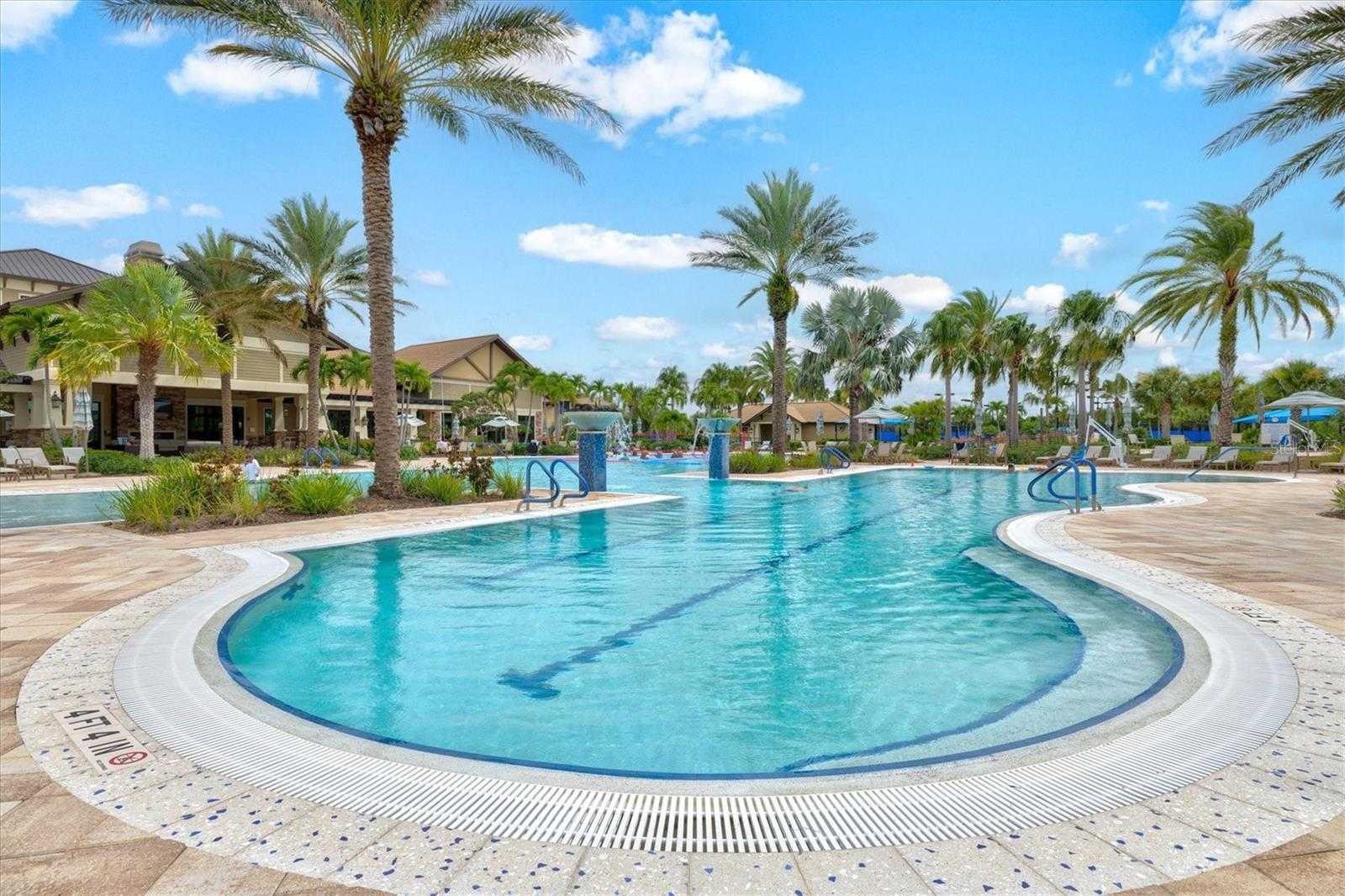
Swimming facilities range from basic community pools to elaborate aquatic complexes featuring lap lanes, heated spas, and poolside service areas where residents can host private gatherings. Lakewood Ranch's Country Club features multiple pool areas designed for different activities - a family pool with water features for children, an adult-only quiet pool for relaxation, and a competition-sized lap pool for serious swimmers. These varied aquatic spaces allow residents to choose their preferred environment rather than competing for space in a single overcrowded facility.
Fitness centers have evolved beyond basic gym equipment to include group exercise studios, personal training areas, and specialized spaces for activities like yoga and Pilates. The most consistently valuable amenities tend to be well-designed fitness centers that residents actually use regularly rather than impressive facilities that sit empty most days. Modern developments focus on flexible multi-use spaces that can accommodate different workout styles and group activities, maximizing the value residents receive from their monthly contributions.
Clubhouses serve as community social hubs, typically featuring dining areas, meeting rooms, and event spaces where residents gather for everything from book clubs to holiday parties. The best waterfront condos in Sarasota are the ones where amenities feel natural and daily life feels effortless, creating spaces that enhance social connections rather than simply impressing visitors during initial tours.
Tennis courts, golf courses, and recreational facilities add significant value for active residents but require substantial ongoing maintenance that drives up monthly assessments. Communities like The Oaks Club justify their higher fees through meticulously maintained facilities and professional staff who ensure courts stay in tournament condition year-round.
Choosing communities where recreational offerings match your actual interests prevents you from subsidizing expensive facilities you'll never use while ensuring your monthly payments support amenities that genuinely improve your daily routine and social connections.
Comparing HOA Fees Across Neighborhoods
Monthly assessment variations between counties reveal significant cost differences that directly impact your housing budget and lifestyle choices. Understanding these geographic patterns helps you anticipate expenses and select neighborhoods that align with your financial comfort zone while delivering the lifestyle experiences you value most.
Sarasota County properties consistently command higher monthly assessments due to their established infrastructure, mature landscaping, and proximity to beaches and cultural attractions. Downtown Sarasota condominiums typically charge between $500 to $1,200 monthly, reflecting the premium costs of maintaining historic buildings, elevator systems, and prime waterfront locations. These urban properties require specialized maintenance for older mechanical systems and often include concierge services that add convenience but increase operational expenses. Siesta Key beachfront buildings push assessments even higher, with some luxury towers exceeding $1,500 monthly to cover beach access maintenance, storm protection systems, and resort-style amenities that justify their premium locations.
Manatee County presents more affordable options across all property types, with newer construction requiring less intensive maintenance and offering more predictable expense patterns. Single-family neighborhoods in Bradenton and Ellenton typically charge between $150 to $350 monthly, focusing primarily on basic services like landscaping, entrance maintenance, and community pool upkeep. These newer developments benefit from modern building materials and efficient systems that reduce ongoing repair costs, allowing associations to maintain lower assessment levels while still providing quality community services.
Property type creates the most dramatic cost variations within each county. Single-family home communities generally charge lower assessments since residents handle their own roof repairs, exterior painting, and individual utility costs. These neighborhoods focus their budgets on shared spaces like clubhouses, pools, and common area landscaping. Condominium buildings require substantially higher contributions because associations must maintain entire building exteriors, roofing systems, elevators, and shared utilities that serve multiple units simultaneously.
Community Development District fees add another layer of expense that many buyers overlook during their initial property search. These special assessments fund infrastructure improvements like roads, water systems, and recreational facilities in master-planned communities. CDD fees typically range from $1,200 to $3,000 annually, appearing as separate line items on property tax bills rather than monthly HOA statements. Lakewood Ranch residents pay CDD assessments that support the community's extensive trail systems, parks, and recreational facilities that extend beyond individual neighborhood boundaries.
Calculating your total monthly housing costs requires combining HOA fees with CDD assessments, property taxes, and insurance premiums to understand your complete financial commitment. A $300 monthly HOA fee paired with a $2,400 annual CDD assessment actually costs $500 monthly when combined, significantly impacting your housing budget calculations.
Evaluating these combined expenses against the specific amenities and services provided helps determine whether a community offers genuine value or simply impressive marketing materials. Communities with transparent fee structures and detailed annual budgets typically provide better long-term value than those with vague explanations about where your monthly contributions actually go.
Evaluating the Value of Amenities for Your Lifestyle
Your daily routine determines which community features will genuinely enhance your living experience versus those that simply look impressive during property tours. Matching amenities to your actual habits prevents you from paying premium assessments for facilities you'll rarely use while ensuring your monthly contributions support services that improve your quality of life. Different life stages and personal interests create distinct patterns of amenity usage that directly influence the value you receive from your HOA investment.
Considerations for Different Groups
Families gravitate toward communities with playgrounds, splash pads, and sports courts where children can safely interact with neighbors while parents build social connections. Elementary school-age families benefit most from neighborhoods featuring walking trails, community events, and family-friendly pool areas with shallow sections and safety features. Teen families require different amenities like basketball courts, game rooms, and study spaces that provide supervised social opportunities without constant parental oversight. Family-oriented communities typically charge moderate assessments between $200 to $400 monthly, focusing budgets on child-safe facilities and programming rather than luxury services.
Retirees seek amenities that promote social engagement and physical wellness without requiring high-intensity activities or complex scheduling. Card rooms, library spaces, and craft areas become daily gathering spots where lasting friendships develop naturally through shared interests. Heated pools with easy entry steps, gentle fitness classes, and walking groups address health maintenance goals while creating structured social opportunities. Many retirees find exceptional value in communities offering educational programs, guest speakers, and cultural events that stimulate intellectual engagement. These demographics often accept higher monthly assessments ranging from $400 to $700 when amenities directly support their social and wellness priorities.
Active Adults require comprehensive fitness facilities, challenging recreational opportunities, and flexible spaces that accommodate varied interests throughout different seasons. Tennis courts, golf courses, and water sports facilities justify higher monthly contributions for residents who use these amenities multiple times weekly. Group fitness classes, cycling clubs, and organized sports leagues create competitive outlets that maintain physical fitness while building community connections. Active adults typically view amenities as essential lifestyle components rather than occasional conveniences, making them willing to pay premium assessments exceeding $600 monthly for access to professional-grade facilities and programming.
Community amenities create natural gathering spaces where neighbors transition from strangers to friends through shared activities and common interests. Well-designed clubhouses with flexible meeting rooms support everything from book clubs to investment groups, fostering intellectual connections that extend beyond casual pool conversations. Organized activities like wine tastings, cooking classes, and holiday celebrations provide structured opportunities for residents to interact regularly, building the social fabric that transforms housing developments into genuine neighborhoods.
Selecting communities where amenity offerings align with your authentic interests rather than aspirational goals ensures your monthly assessments support facilities you'll actually use consistently. More amenities mean more ongoing labor, maintenance, and insurance costs that become permanent budget obligations regardless of individual usage patterns. Focusing your search on communities where the majority of amenities match your established hobbies and social preferences maximizes the personal value you receive from your HOA investment while avoiding subsidizing expensive facilities that don't enhance your daily routine.
Long-Term Considerations and Financial Planning
Florida's insurance market has experienced unprecedented volatility, with property insurance premiums increasing by 30-50% annually across coastal communities, directly impacting HOA budgets and forcing associations to reassess their financial strategies. These escalating costs affect every aspect of community operations, from master insurance policies covering common areas to specialized coverage for amenities like pools and fitness centers. Associations must now allocate larger portions of their budgets to insurance premiums, often requiring special assessments or significant dues increases to maintain adequate coverage levels.
Construction material costs have similarly surged, with concrete, roofing materials, and specialized equipment experiencing price increases that can double project expenses within a single year. "Costs for materials, insurance, and construction in Florida change rapidly" making it essential for communities to build flexibility into their financial planning processes. These economic pressures create cascading effects throughout association budgets, forcing boards to prioritize essential maintenance while deferring cosmetic improvements that enhance property values.
Importance of Reserve Funds
Reserve funds function as financial safety nets that protect communities from unexpected major expenses and prevent the need for emergency special assessments that can strain homeowner finances. These dedicated accounts accumulate funds specifically earmarked for replacing major components like roofs, elevators, HVAC systems, and recreational facilities that require substantial capital investments every 10-25 years. Professional reserve studies provide detailed analysis of each community asset, estimating replacement costs and optimal timing to ensure adequate funding when major projects become necessary.
"A reserve study provides a detailed overview of all major shared components" helping boards understand exactly when playground equipment, tennis court surfaces, or pool systems will require replacement rather than routine maintenance. Annual updates to these studies become crucial because economic conditions change rapidly, and outdated projections can leave communities financially unprepared for necessary improvements. Communities with well-funded reserves maintain stable monthly assessments while avoiding the financial shock of sudden large expenses that can force homeowners into difficult budget decisions.
Evaluating HOA Financial Health
Prospective buyers should examine specific financial documents and operational practices that reveal whether a community maintains sound fiscal management or faces potential financial challenges. Understanding these indicators helps you avoid communities with hidden financial problems that could result in significant assessment increases after you purchase your home.
- Review annual budgets and financial statements - Look for detailed expense categories, realistic projections, and evidence of professional accounting practices rather than vague line items or incomplete documentation
- Examine reserve fund balances - Healthy communities maintain reserves equal to 25-50% of their annual operating budget, with clear funding schedules for major component replacements
- Analyze assessment history - Stable communities show gradual, predictable increases rather than dramatic spikes or frequent special assessments that indicate poor financial planning
- Request meeting minutes - Board discussions reveal ongoing financial concerns, deferred maintenance issues, or disputes about spending priorities that impact long-term stability
- Verify insurance coverage - Adequate master policies protect against liability claims and property damage without excessive deductibles that could trigger special assessments
- Check for pending litigation - Legal disputes create unpredictable expenses and can indicate management problems that affect community finances
Obtaining copies of recent reserve studies shows whether the community follows professional recommendations for long-term financial planning. "Annual reviews allow your HOA to" maintain current expense projections and avoid funding gaps that create financial emergencies. Communities that conduct regular reserve studies demonstrate commitment to transparent financial management and proactive planning that protects property values over time.
Final Thoughts
Understanding the connection between amenities and HOA fees across Sarasota and Manatee Counties puts you in control of your home buying decisions. We've broken down how golf courses, fitness centers, pools, and maintenance services directly impact your monthly costs. Some communities charge $200 monthly for basic landscaping and security, while resort-style neighborhoods with tennis courts and clubhouses can reach $800 or more.
This knowledge helps you make smarter choices rather than getting surprised by fees later. You can now evaluate whether paying extra for amenities you'll actually use makes financial sense. A community with a marina matters more if you own a boat. Tennis courts add value when you play regularly. The key lies in matching your lifestyle with what you're paying for.
Your personal priorities should guide this decision. Active families might find value in communities with multiple pools and sports facilities. Those seeking quiet retirement living may prefer neighborhoods focused on maintenance and security rather than recreational amenities. Young professionals might prioritize fitness centers and social spaces over golf courses.
The information we've covered gives you the foundation to ask better questions when touring communities. You'll know which fees are reasonable and which amenities justify higher costs. This preparation saves time and helps you focus on neighborhoods that truly fit your needs.
Ready to find communities that match your lifestyle and budget? Register on SarasotaHomeHub.com to explore tailored options based on your specific amenity preferences and HOA fee comfort zone.
Check out this article next